Repeated activity
If the same pest keeps returning after cleaning or simple control measures, there may be harbourage, entry or a colony that has not been addressed.
 Inner West based • Sydney wide service
Rodents can exploit surprisingly small openings, so a useful inspection looks at the whole building envelope rather than only the room where activity is heard.
These images are drawn from genuine Goliath field work and are used as supporting context for the service or topic on this page.
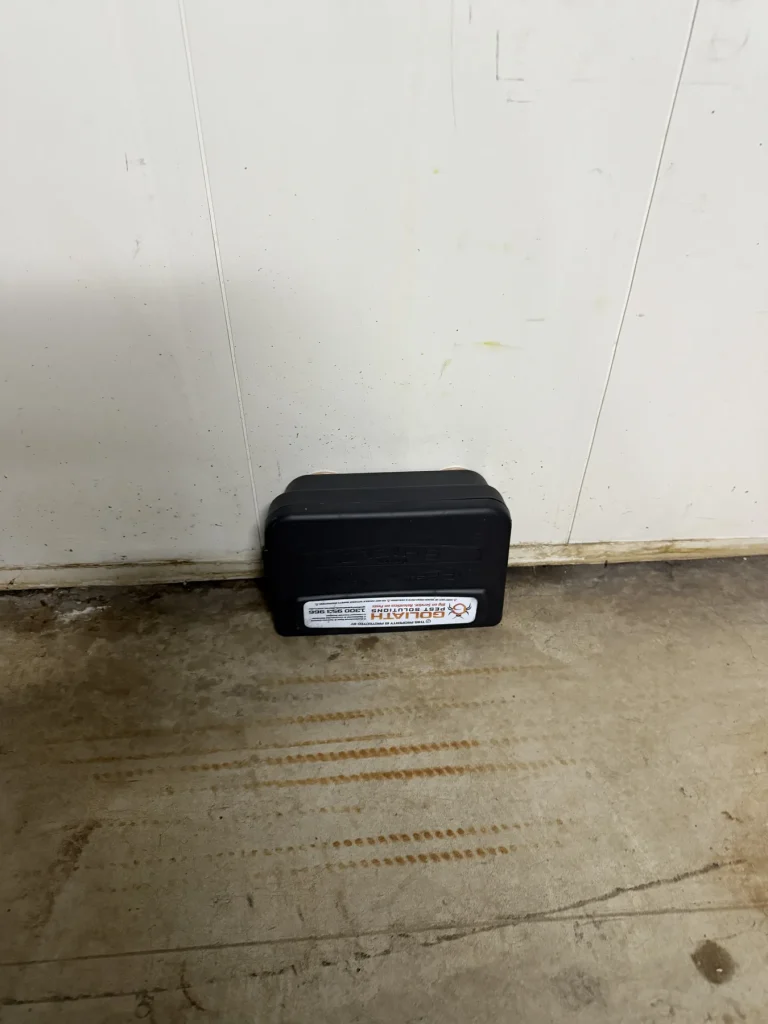
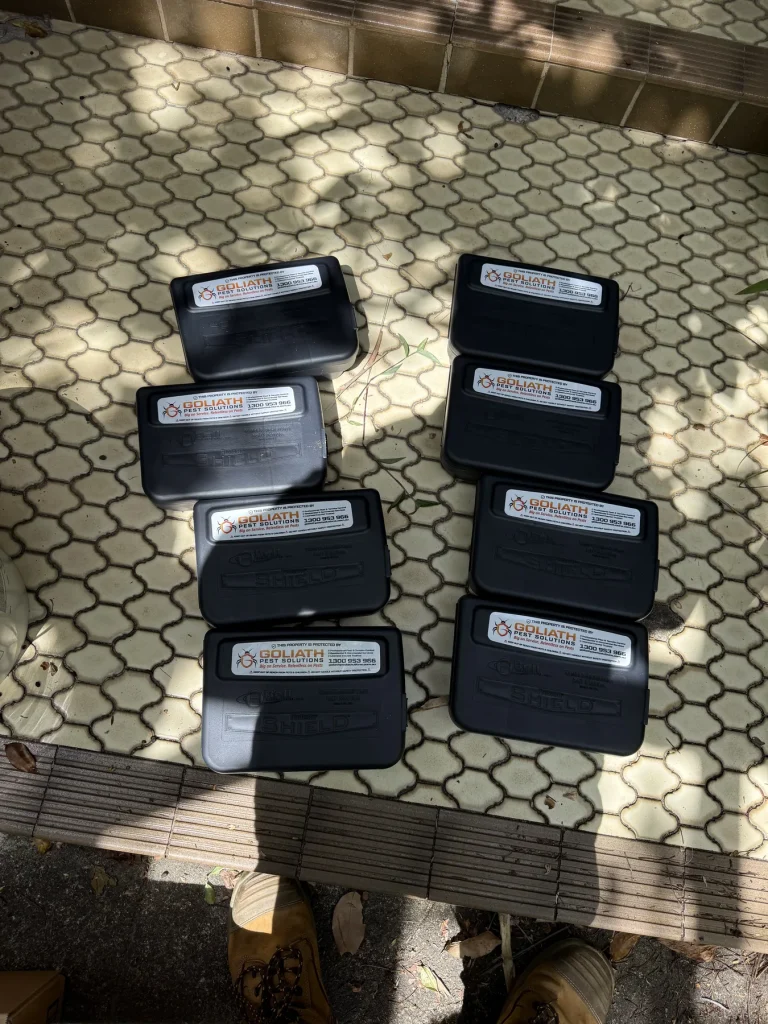
Good pest decisions start with the right identification and an understanding of how the activity fits the property. These are the practical points we consider before recommending treatment or further investigation.
We focus on the source of the activity, the property conditions and a treatment plan that matches the pest rather than relying on generic advice or unnecessary chemical use.
See the service approach →If the same pest keeps returning after cleaning or simple control measures, there may be harbourage, entry or a colony that has not been addressed.
When the activity appears in several rooms or shared areas, inspection can help identify how the pest is moving through the property.
Kitchens, commercial sites, roof voids, termite-risk areas and shared buildings often benefit from a structured professional plan.
Mice can use very small openings, which is why detailed inspection of gaps and penetrations matters.
Exclusion is a key part of control, but active rodents and internal harbourage may also need to be managed.
Related services, guides and real field-work examples selected to match this page.
Search pest services, termite information, suburbs, commercial pages and helpful guides.