Inspect
Identify activity, harbourage, access routes and operational conditions that influence the pest problem.
 Inner West based • Sydney wide service
End-of-lease pest control should match the tenancy requirement and actual pest issue rather than adding unnecessary treatments that are not required by the lease or property condition.
These images are drawn from genuine Goliath field work and are used as supporting context for the service or topic on this page.
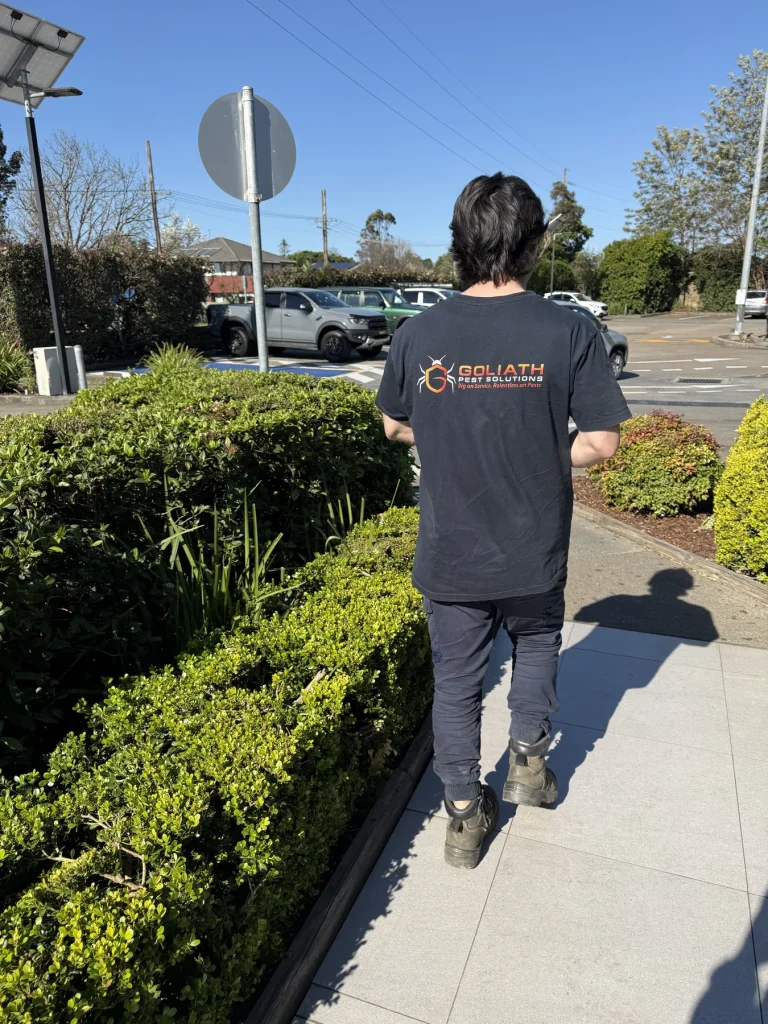
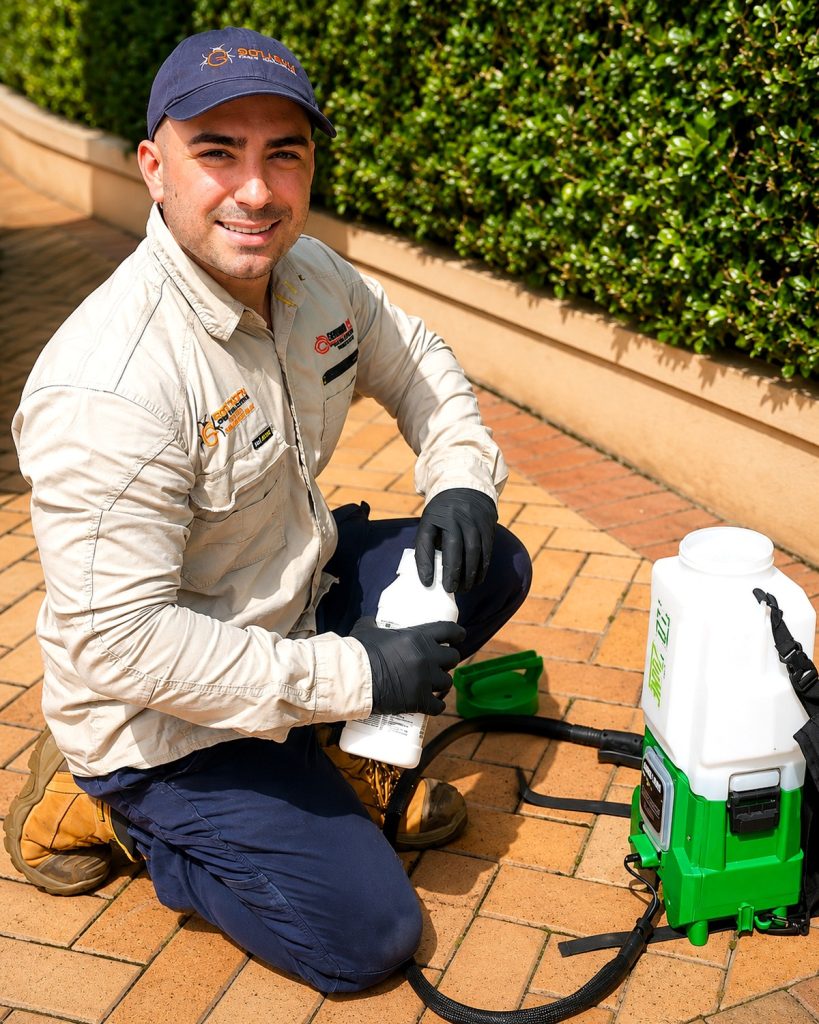
End-of-lease work should start with the actual tenancy requirement. Some properties only require a specific flea treatment, while others may need general pest treatment because there is genuine activity. Confirming the requested scope avoids unnecessary work and gives tenants or managers the documentation they actually need.
If an active infestation is found, a basic end-of-lease service may not be enough. German cockroaches, significant rodent activity or other established problems can require a more targeted treatment and follow-up plan, which should be explained separately rather than hidden inside a generic package.
For managed sites, the useful outcome is not just a treatment on the day. A good program creates a repeatable record of activity, actions and site conditions so recurring pest pressure can be reduced over time.
Identify activity, harbourage, access routes and operational conditions that influence the pest problem.
Use suitable targeted methods for the pest and site while minimising unnecessary disruption.
Record findings, treatment and practical recommendations so the site team knows what needs attention next.
Goliath Pest Solutions works with businesses, strata, property managers and managed facilities across Sydney. You deal directly with a local operator and receive clear scope, communication and service documentation.
View core service →Related services, guides and real field-work examples selected to match this page.
Search pest services, termite information, suburbs, commercial pages and helpful guides.